
Pulse-Jet Bag Filters
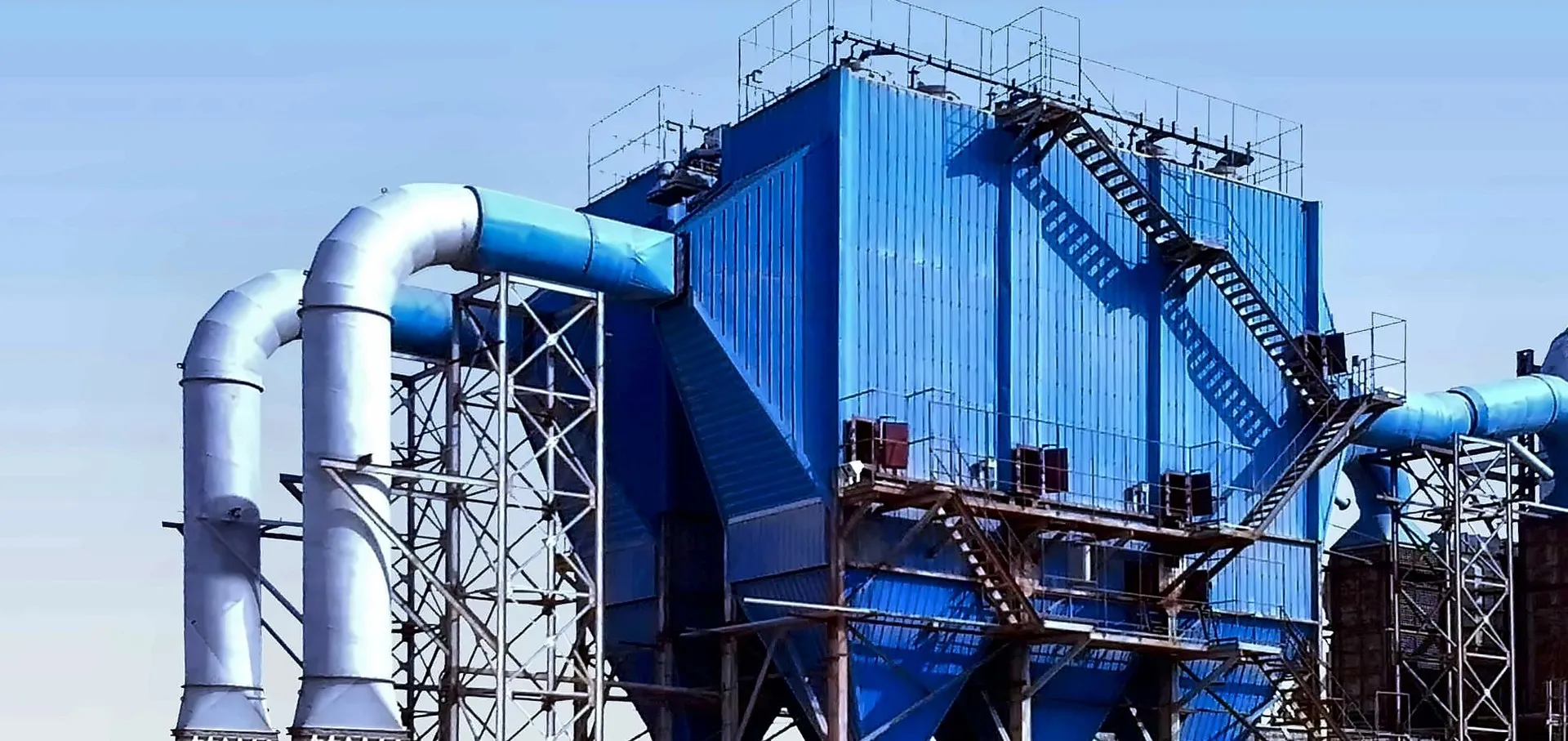
Pulse-jet bag filters separate particulate matter by drawing the gas stream through fabric filter media capable of retaining sub-micron particles. Compressed-air pulses dislodge the accumulated dust cake into the hoppers, either on-line row by row or off-line compartment by compartment.
Housings, cages and pulse systems built at our Kolkata and Rourkela works
How it works
How a pulse-jet bag filter cleans the gas.
How a pulse-jet bag filter works
- Dusty gas inlet with baffle plate
- Filter bags on support cages
- Tube sheet
- Clean-air plenum and outlet
- Compressed-air header and pulse valves
- Blowpipes over each row of bags
- Hopper and rotary airlock
- Induced-draft (ID) fan
- Stack
Dust-laden gasCleaned gas
- 1
Pre-separation
Gas enters through the hopper or casing, where a baffle drops out the heavier particles directly into the hopper.
- 2
Filtration
Finer particles are retained on the outer surface of the suspended filter bags as clean gas passes through to the plenum.
- 3
Pulse cleaning
Solenoid-operated pulse valves release compressed air down each row of bags, dislodging the dust cake on a timed or pressure-drop basis.
- 4
Discharge
Collected dust is evacuated from the hoppers, while the ID fan carries filtered gas to the stack.
At a glance
Key specifications.
- Gas volume
- Up to 8,00,000 m³/hr
- Cleaning
- Pulse-jet, on-line or off-line
- Cleaning control
- Time-based or differential-pressure
- Collection efficiency
- Up to 99.99%, including sub-micron particles
- Operating temperature
- Typically up to 250 °C, depending on filter media
What's inside
Main components.
- Filter bags in high-temperature media, matched to gas temperature and chemistry
- Bag cages supporting the media under negative pressure
- Tube sheet, casing, hoppers and inlet baffle
- Pulse valves, headers and compressed-air system
- Sequential timer or differential-pressure cleaning controller
- Pneumatic isolation dampers for off-line compartments
- Dust discharge: rotary airlock valves and conveyors
Bag and cage specifications are matched to the gas temperature and dust chemistry of each application.
Retrofitting, revamping & upgradation
Existing pulse-jet bag filters not meeting current norms?
Extra filtration area, better media and upgraded pulse cleaning can restore an underperforming baghouse of any make.
Monitoring and controls
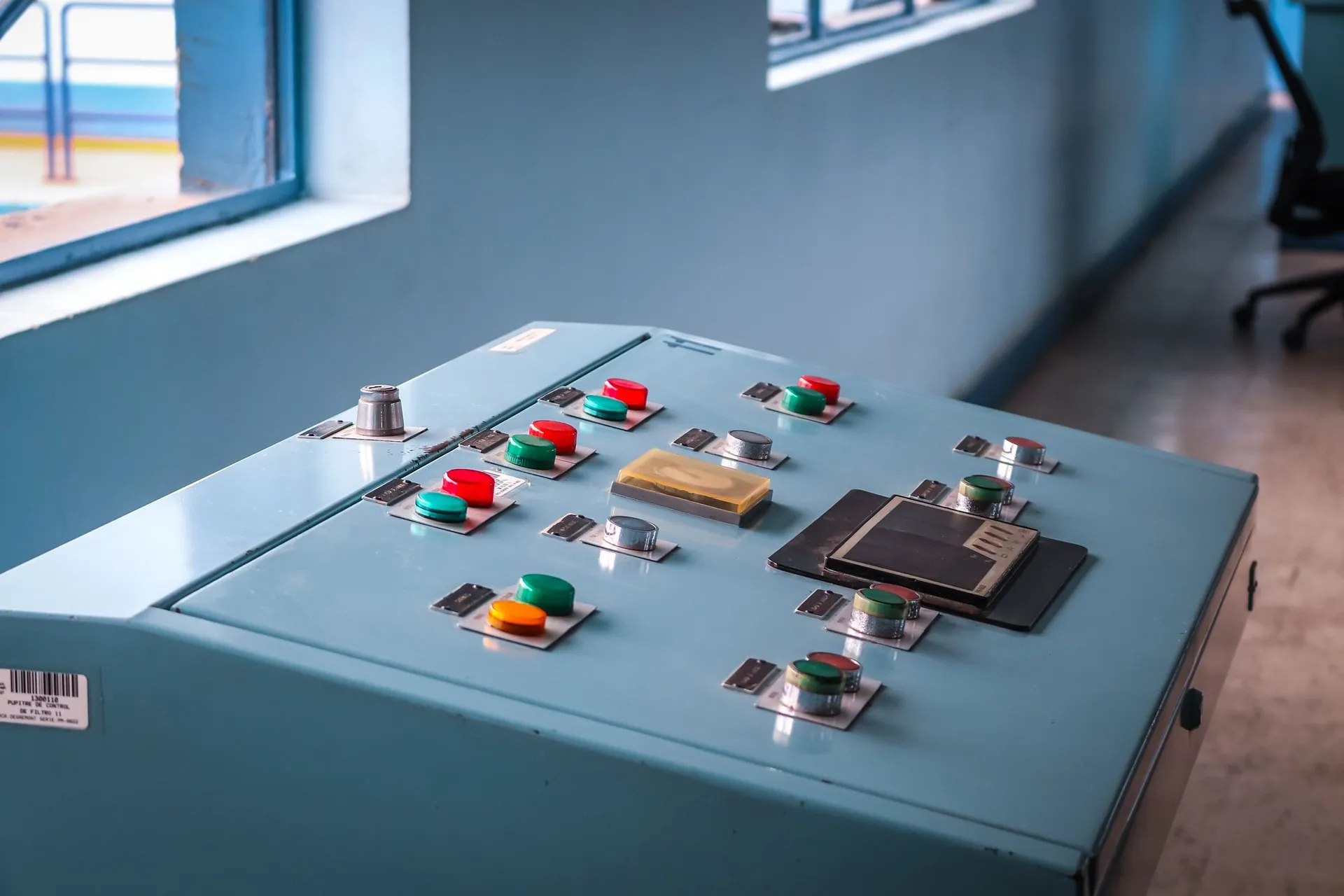
Cleaning on demand, visible from the control room.
Bag filters can be supplied with PLC-based control. Differential-pressure transmitters, the pulse sequencer, solenoid valves, fans and alarms are wired into the PLC, so bags are pulsed only when needed and filter condition is tracked continuously.
- Differential pressure across the bags
- Pulse-cleaning sequence and compressed-air pressure
- Gas temperature and fan status
- Alarms and event history
Where it works
Applications and industries.
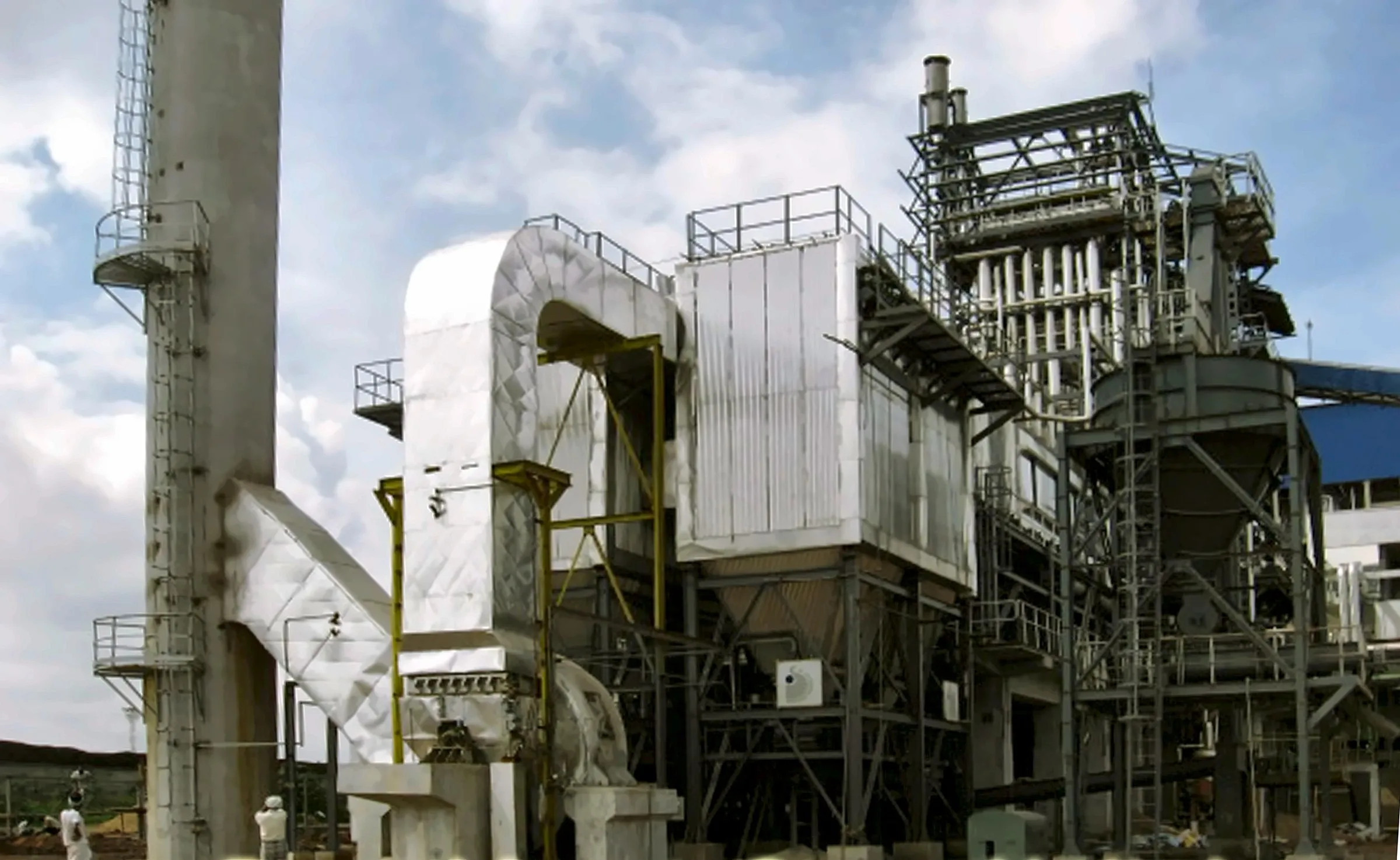
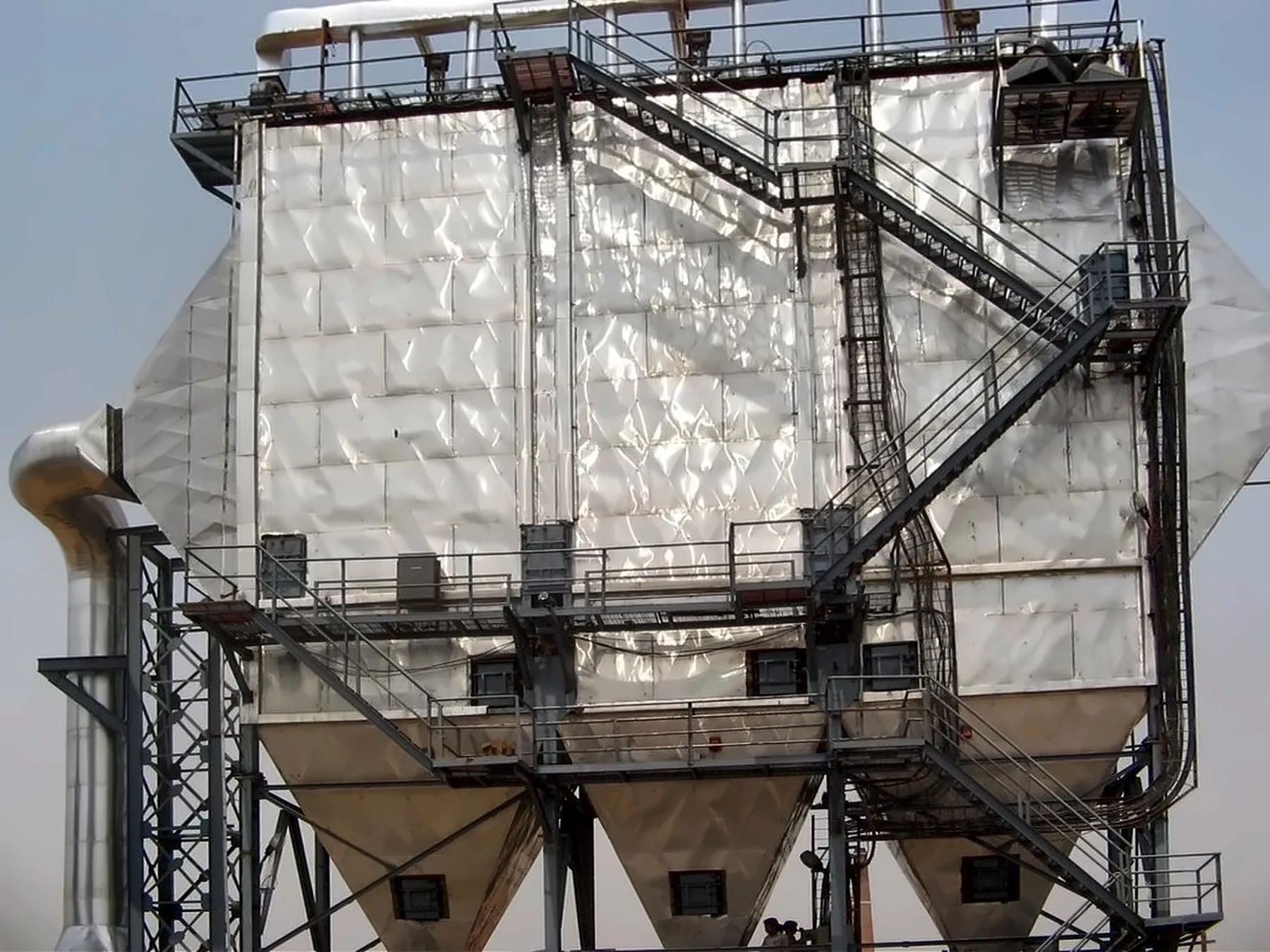
Built by Soil and Enviro
Installations.
Lifecycle services
- Retrofitting, revamping and upgradation of existing bag filters of any make
- Filter media, cage and pulse-system upgrades
- Bag-leak detection and troubleshooting
- Spares: filter bags, cages, pulse valves and controllers
- Annual maintenance contracts (AMC)
- Plant operation and maintenance
Plant O&M
Running a baghouse? Protect the bags and the emission limit.
We monitor differential pressure and pulse performance, detect leaking bags early and plan bag changes around your production.
Explore Plant O&MRelated systems.
Request a quote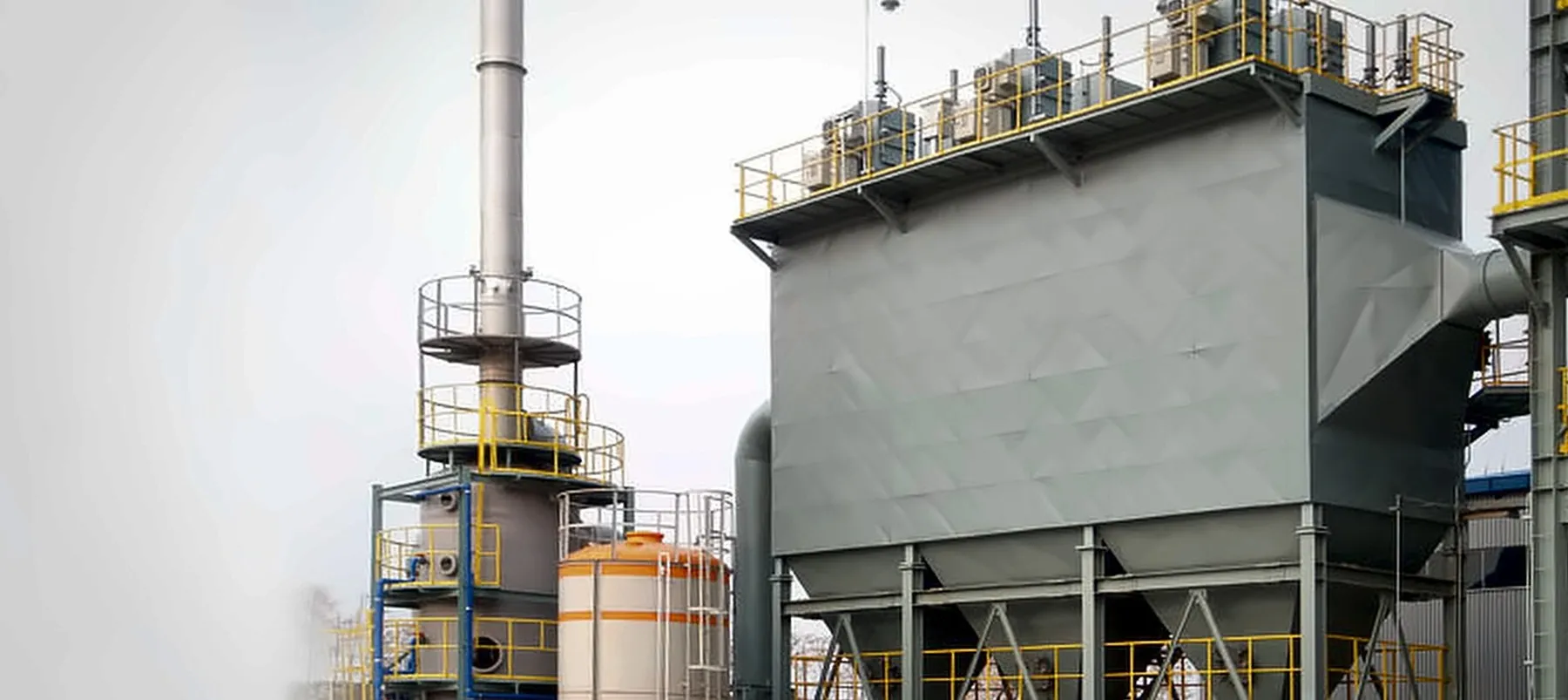
Electrostatic Precipitators (ESP)
High-voltage particulate collection for boiler, kiln, sinter and furnace off-gases.
View specifications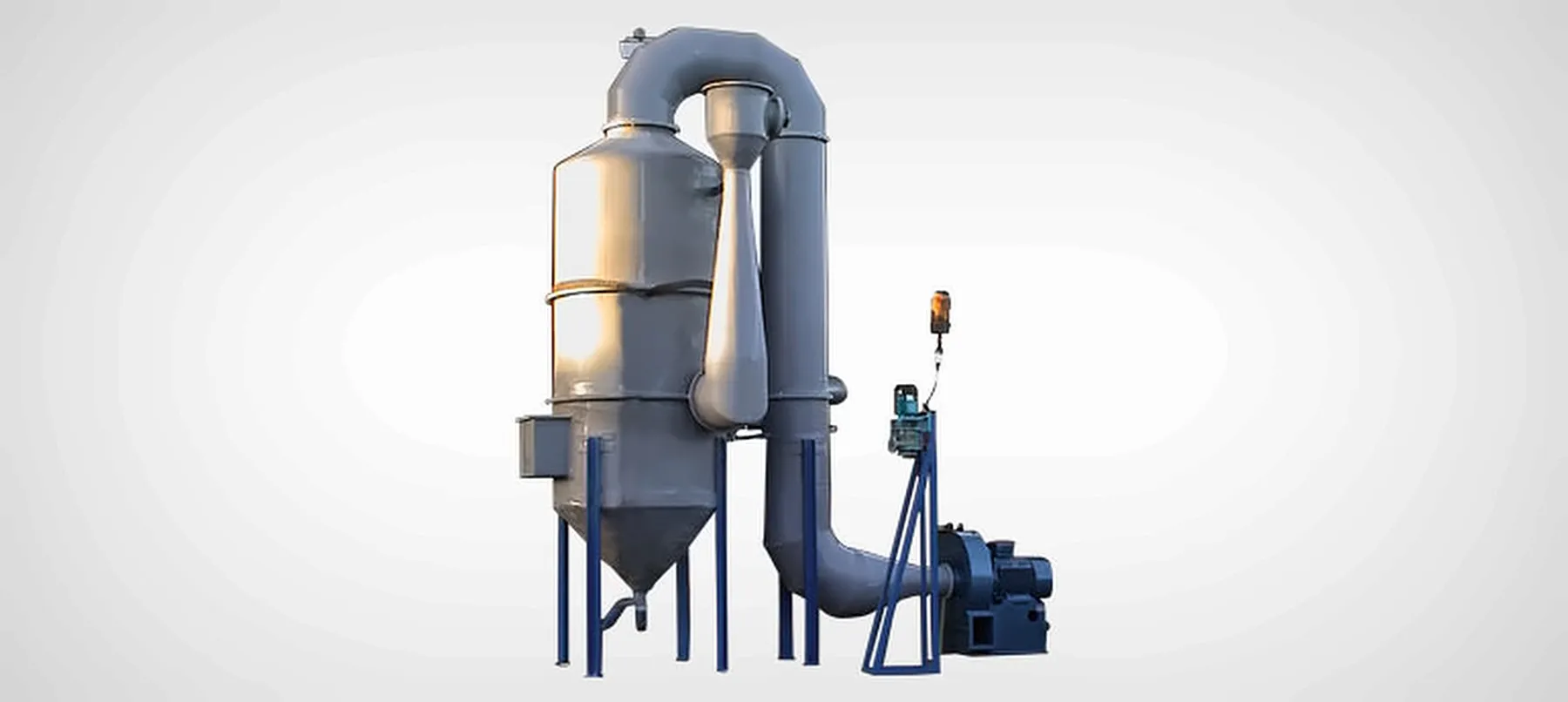
Venturi Scrubbers & Wet APC
Wet scrubbing of particulate and gaseous emissions in corrosive or high-moisture service.
View specifications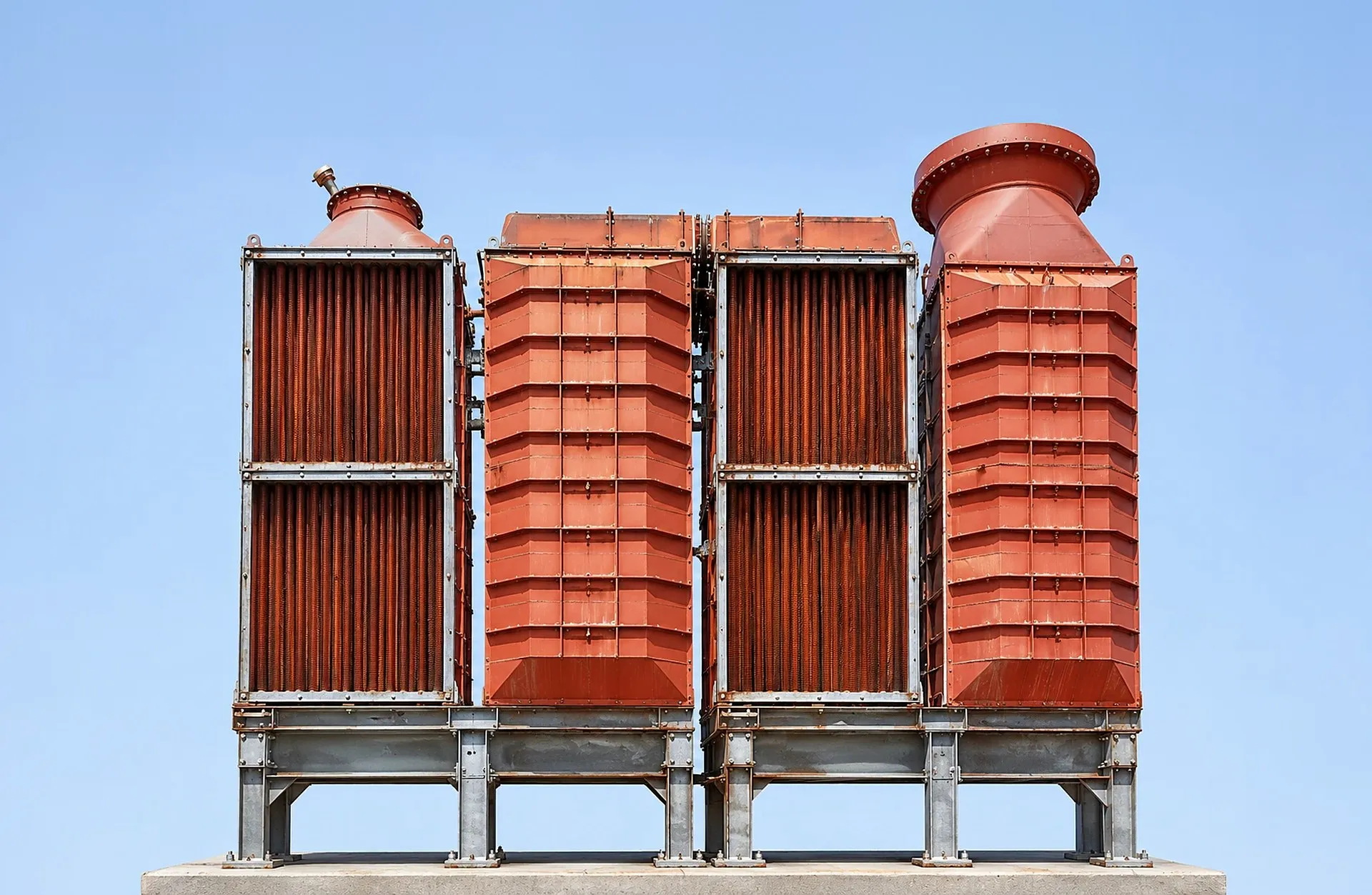
Heat Exchangers
Air-cooled gas coolers that dissipate process heat and bring hot gas down to a safe temperature ahead of the filter.
View specifications