
Electrostatic Precipitators (ESP)
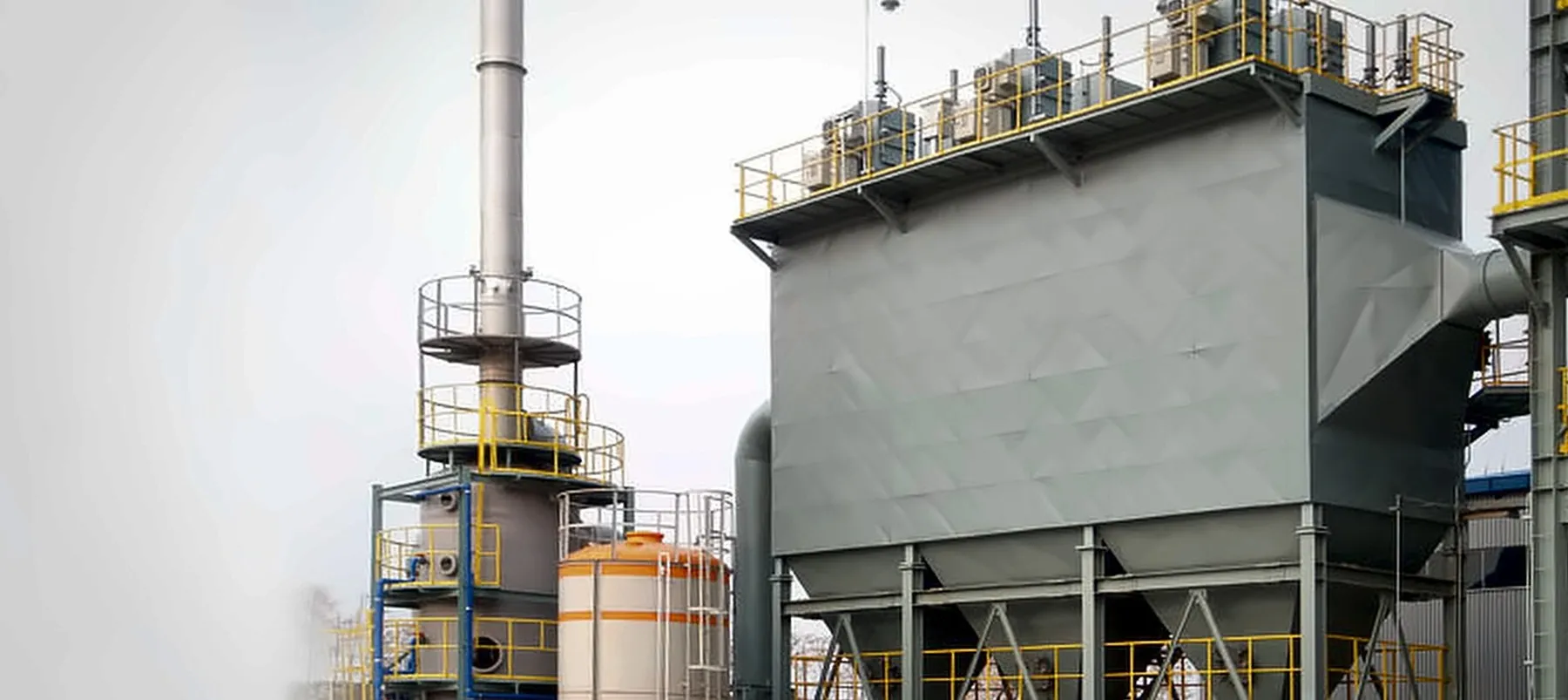
Electrostatic precipitators remove fine particulate matter from flue and process gases by electrically charging the particles and collecting them on earthed plates. High collection efficiency, low pressure drop and tolerance of elevated temperatures and large gas volumes make the ESP the preferred solution for power, steel and other high-throughput processes. Soil and Enviro ESPs are designed for outlet emissions below 30 mg/Nm³.
Casings, electrodes and rapping systems designed and engineered in our own workshops
How it works
From raw flue gas to a clean stack in four stages.
How an electrostatic precipitator works
- Inlet funnel with adjustable gas distribution screens
- Discharge electrodes on a rigid frame, centred in each gas lane
- Collecting plates (earthed), hung in rows parallel to the gas flow
- Transformer-rectifier (TR) sets and support insulators
- Tumbling-hammer rapping of plates and discharge frames
- Hoppers and dust discharge
- Outlet funnel
- Induced-draft (ID) fan
- Stack
Plan view: gas flows along lanes between parallel collecting plates; discharge electrodes hang on the centre line of each lane, and charged dust migrates to the plates.
Dust-laden gasCleaned gas
- 1
Gas distribution
Flue gas enters through the inlet funnel, where perforated distribution screens establish uniform velocity across the electrical field.
- 2
Ionisation
Discharge electrodes energised at high negative DC voltage generate a corona that charges the suspended particles to saturation.
- 3
Collection
Under the electric field, charged particles migrate to the earthed collecting electrodes and form a deposited layer.
- 4
Rapping and disposal
Tumbling-hammer rapping dislodges the deposit into the hoppers for evacuation, while treated gas exits through the ID fan to the stack.
At a glance
Key specifications.
- Gas volume
- Up to 10,00,000 m³/hr
- Configuration
- Single-field and multi-field
- Energisation
- High-voltage transformer-rectifier sets with dedicated controllers
- Collection efficiency
- In excess of 99%, designed to the applicable emission limit
- Outlet emission
- Below 30 mg/Nm³
What's inside
Main components.
- ESP casing, hoppers and inlet/outlet funnels
- Discharge electrodes with rapping system
- Collecting electrodes with tumbling-hammer rapping
- Gas distribution screens for even flow across the field
- High-voltage transformer-rectifier (TR) sets and insulators
- TR-set control panels and auxiliary panel for rapping and dust disposal
- Dust disposal system from the hoppers
Electrodes, rappers and gas distribution screens are made to our own drawings, so replacements fit first time.
Retrofitting, revamping & upgradation
Existing electrostatic precipitators not meeting current norms?
Field additions, new internals and modern TR sets can bring an older precipitator, of any make, within today's limits without replacing the casing.
Monitoring and controls
Every parameter, on your own screens.
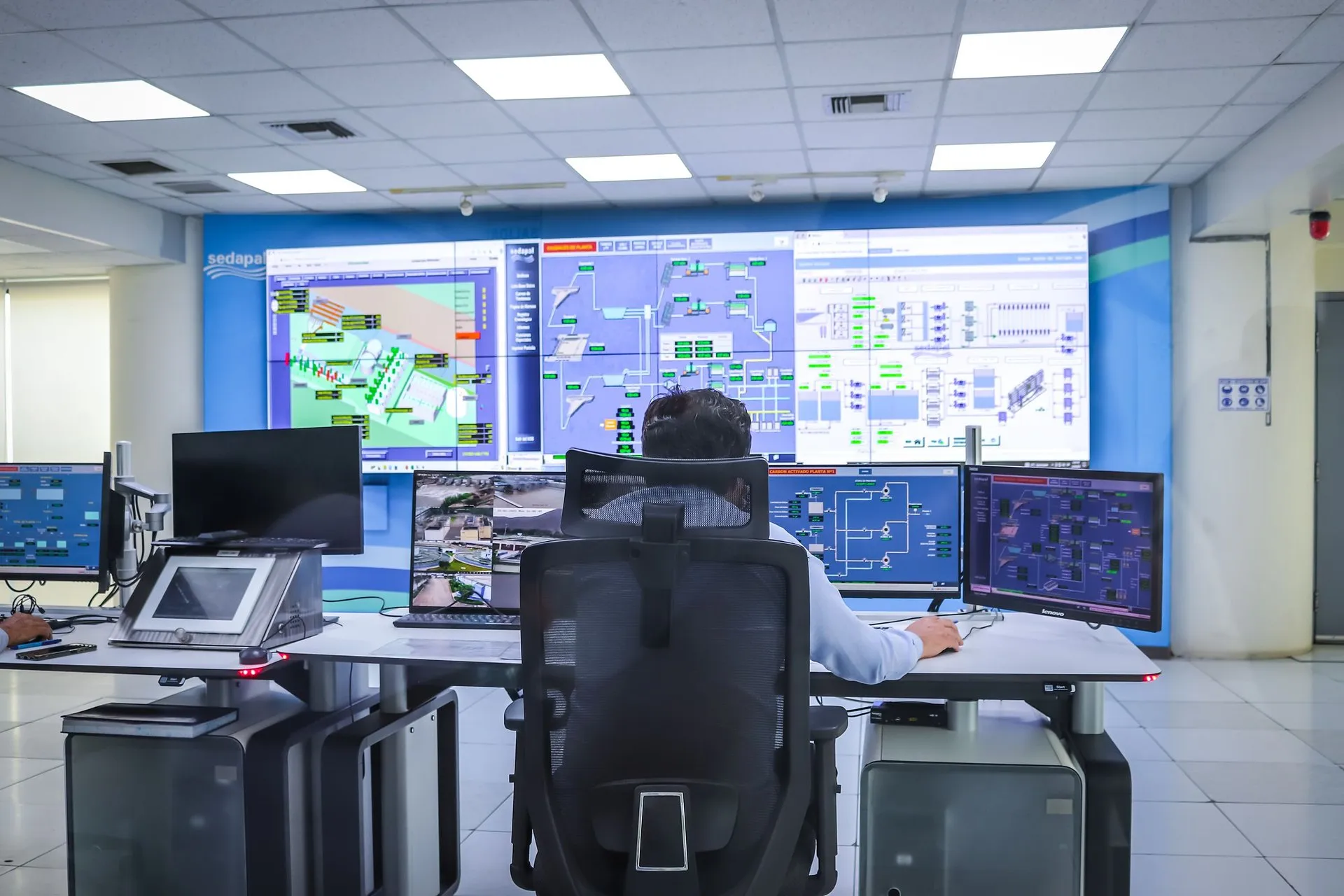
ESPs can be supplied with PLC-based monitoring and control. TR sets, rapping drives, hopper heaters, level switches and alarms are wired into the PLC, so field voltages, currents and spark rates are visible on your own computer screens.
- TR-set voltage, current and spark rate
- Rapping sequence and hopper levels
- Flue gas temperature and fan status
- Alarms and event history
Where it works
Applications and industries.
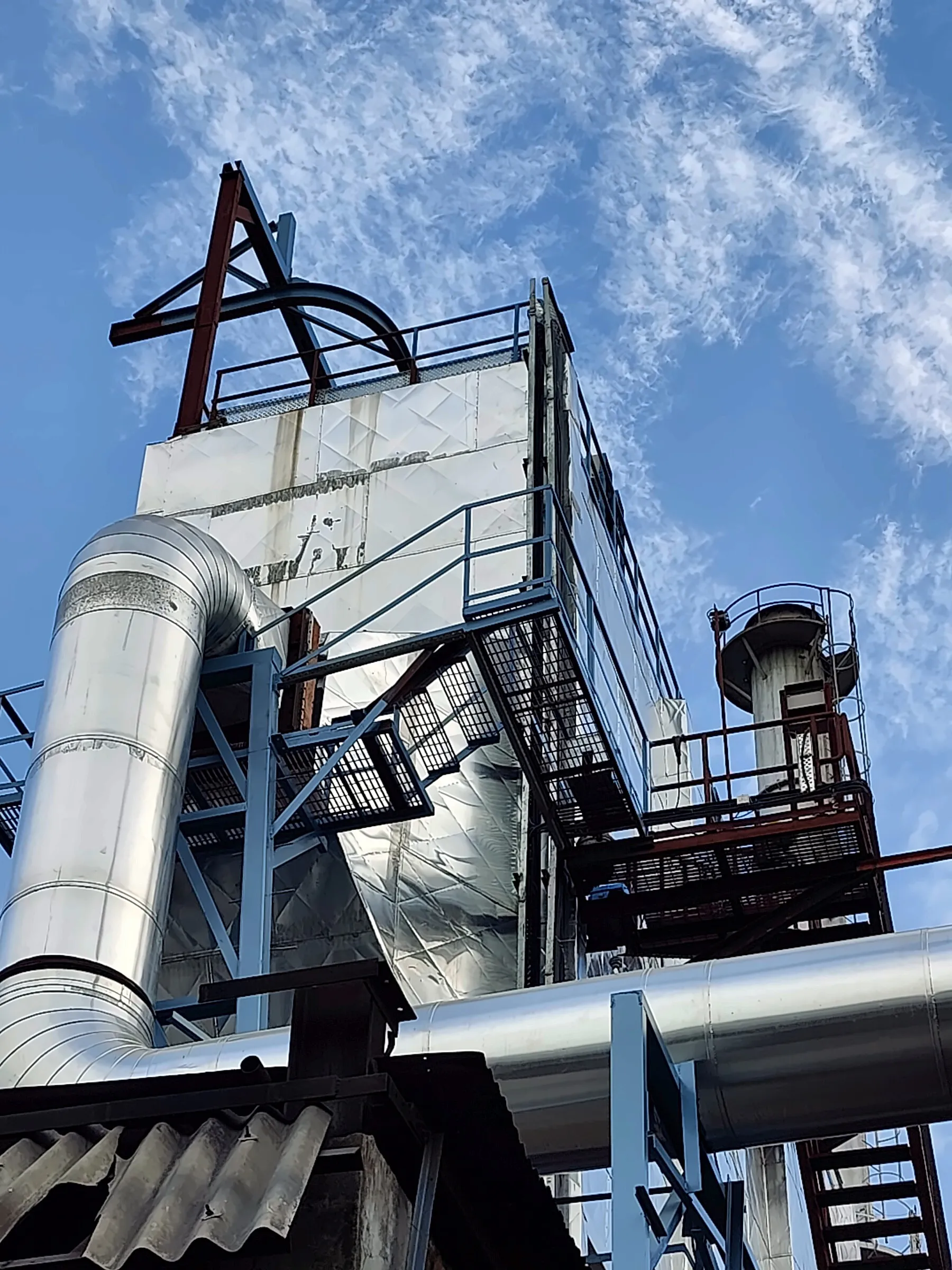
Built by Soil and Enviro
Installations.
Lifecycle services
- Retrofitting, revamping and upgradation of existing ESPs of any make to current emission norms
- Performance diagnostics and troubleshooting
- TR-set calibration and controller upgrades
- Critical spares: electrodes, rapping systems and insulators
- Annual maintenance contracts (AMC)
- Plant operation and maintenance
Plant O&M
Already running an ESP? Keep it at design efficiency.
Our O&M teams track TR-set readings, rapping and hopper levels shift by shift, and act before a field trips or emissions drift.
Explore Plant O&MRelated systems.
Request a quote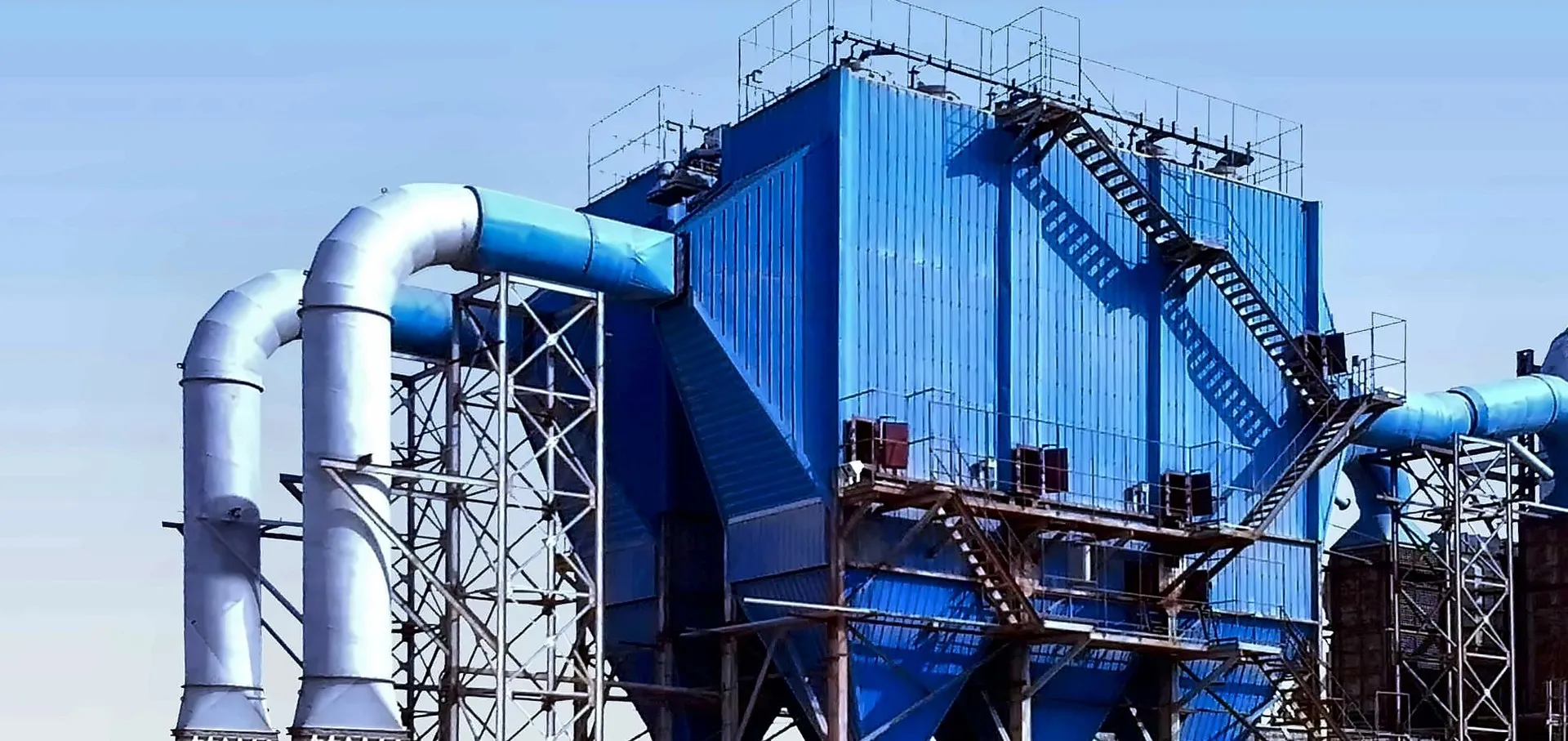
Pulse-Jet Bag Filters
On-line and off-line pulse-jet filtration for fine and sub-micron particulates.
View specifications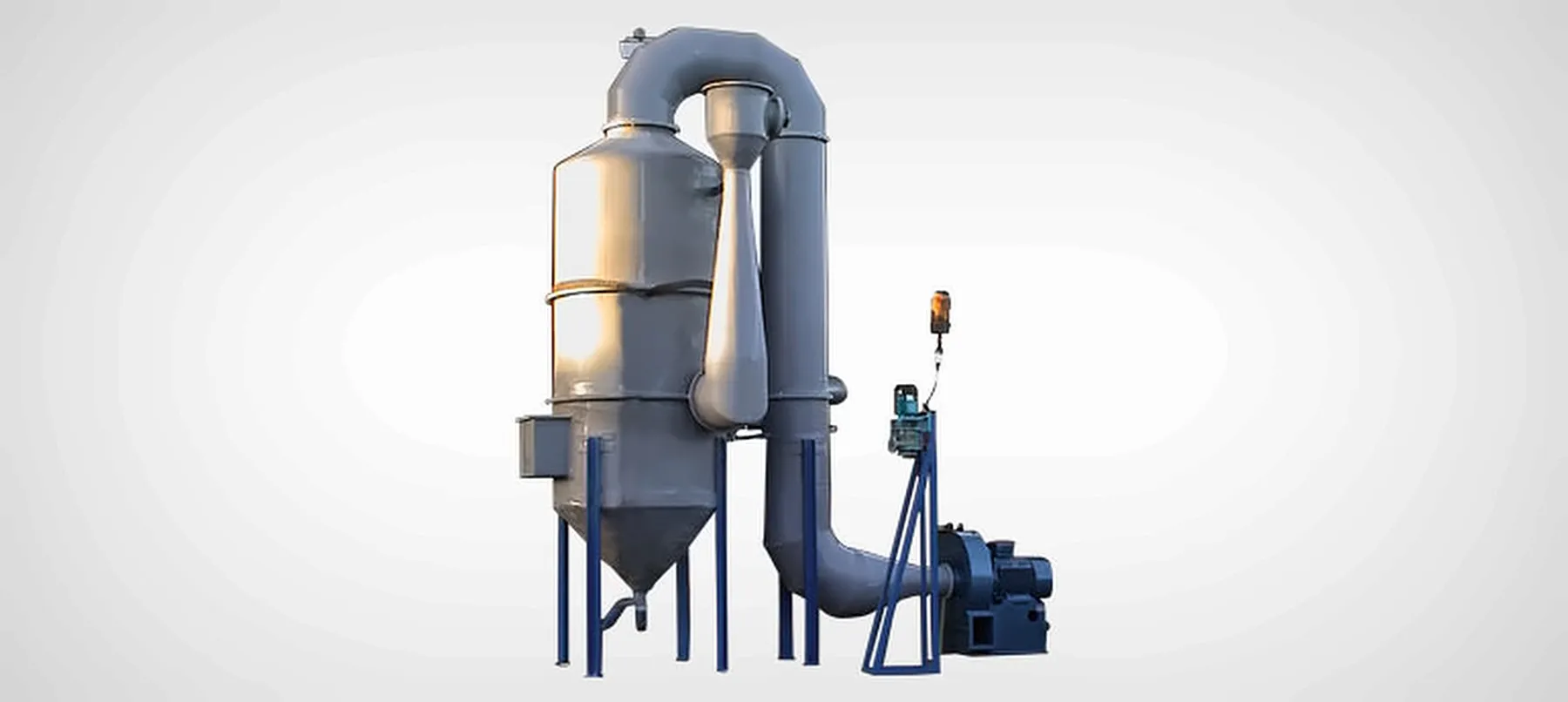
Venturi Scrubbers & Wet APC
Wet scrubbing of particulate and gaseous emissions in corrosive or high-moisture service.
View specifications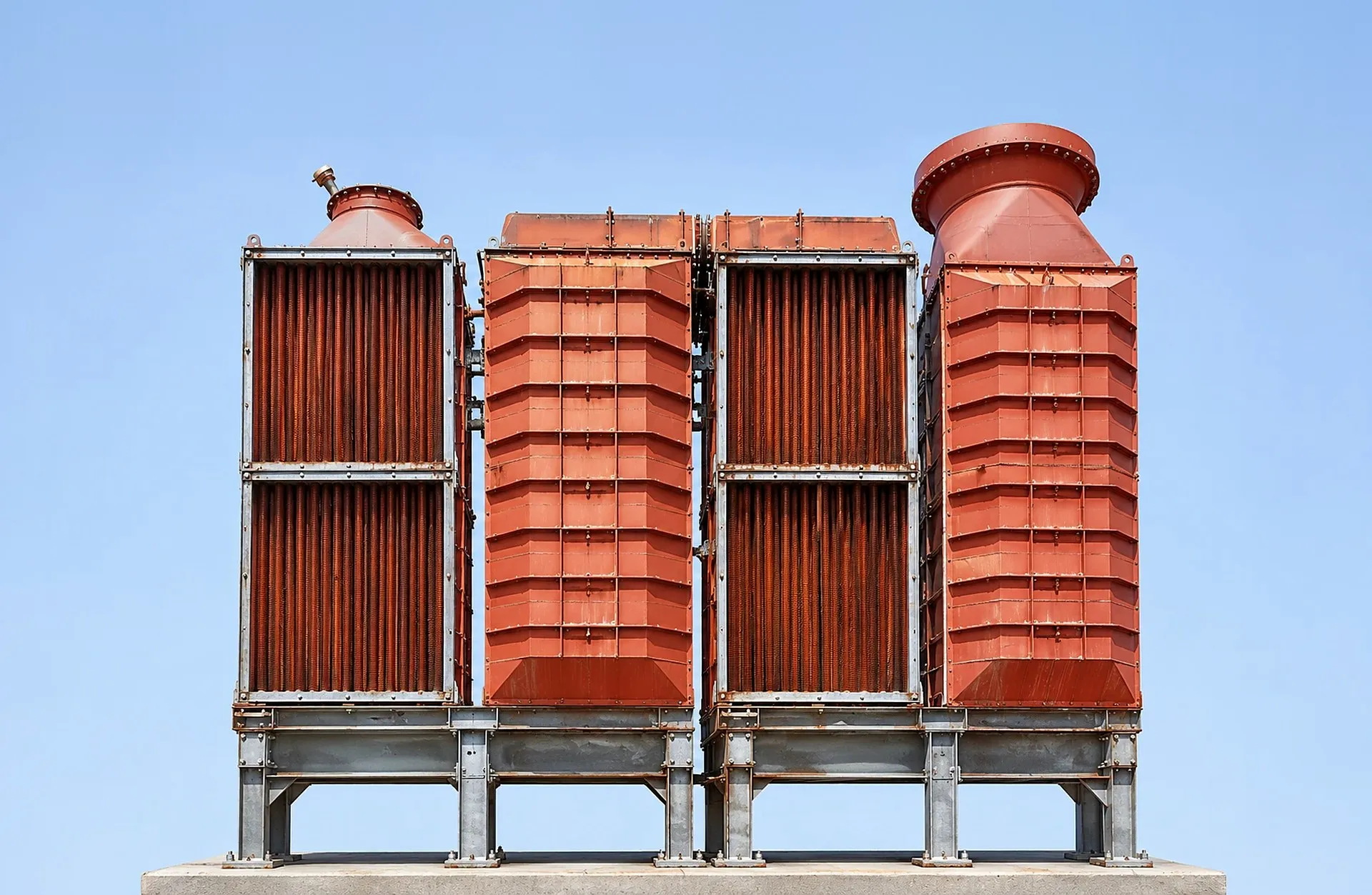
Heat Exchangers
Air-cooled gas coolers that dissipate process heat and bring hot gas down to a safe temperature ahead of the filter.
View specifications